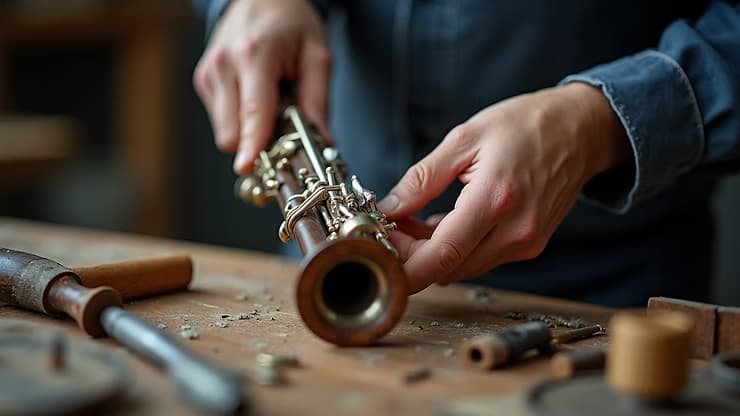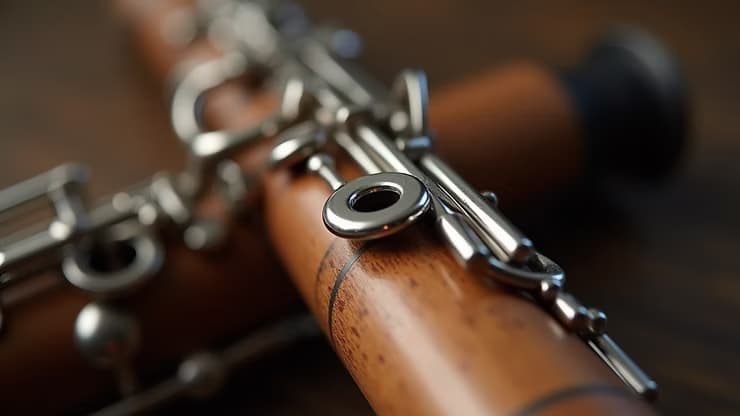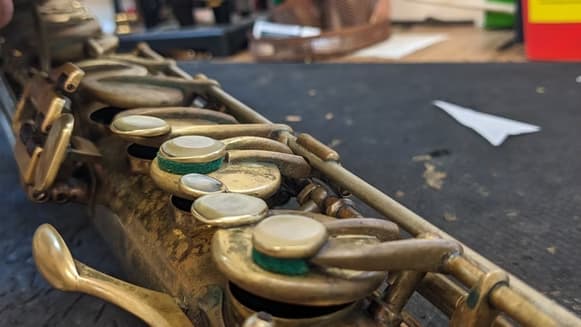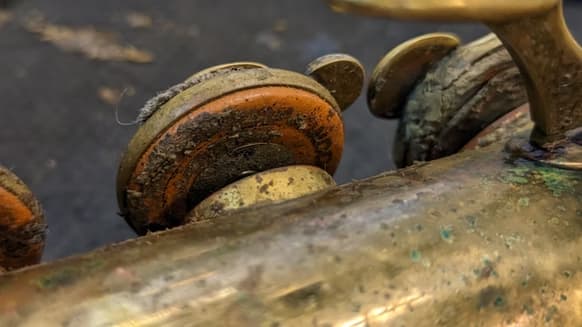
Woodwind instruments are delicate and intricate, requiring regular maintenance to ensure they perform at their best. Whether you’re a seasoned musician or a beginner, knowing when your instrument needs repair is crucial for maintaining sound quality and playability. In this post, we will explore the common signs that indicate your woodwind instrument may need some attention.
Understanding Woodwind Instruments
Before diving into the signs of wear and tear, it’s essential to understand what woodwind instruments are. These instruments produce sound when air is blown into them, causing a reed or a column of air to vibrate. Common woodwind instruments include:
- Flute
- Clarinet
- Saxophone
- Oboe
- Bassoon
Each of these instruments has unique components that can wear out over time, leading to performance issues.
Common Signs Your Woodwind Instrument Needs Repair
1. Unusual Sounds
One of the first signs that your woodwind instrument may need repair is the production of unusual sounds. If you notice:
- Hissing or squeaking noises when you play
- Muffled or unclear tones
- Unresponsive notes that don’t sound at all
These could indicate issues with the pads, reeds, or even the body of the instrument. For example, a clarinet may produce a squeak if the reed is damaged or if there is a leak in the pads.
2. Difficulty in Playing
If you find it increasingly difficult to play your instrument, it may be time for a check-up. Signs of difficulty include:
- Sticking keys that don’t respond when pressed
- Resistance when blowing into the instrument
- Inconsistent intonation where notes sound off-pitch
These issues can stem from various problems, such as misaligned keys, worn pads, or even a dirty mouthpiece.
3. Physical Damage
Inspect your instrument regularly for any physical damage. Look for:
- Cracks or dents in the body
- Loose or missing screws
- Worn pads that may not seal properly
Physical damage can significantly affect the sound quality and playability of your instrument. For instance, a crack in a wooden clarinet can lead to air leaks, making it difficult to produce a clear sound.
4. Changes in Tone Quality
If you notice a change in the tone quality of your instrument, it could be a sign of wear. Pay attention to:
- Dull or flat sounds that lack resonance
- Unusual buzzing when playing certain notes
- Loss of projection or volume
These changes can indicate that the pads are worn out or that there are leaks in the instrument. A professional repair technician can help diagnose and fix these issues.
5. Regular Maintenance Needs
Woodwind instruments require regular maintenance to stay in top shape. If you find yourself needing to:
- Replace reeds frequently
- Clean the instrument more often
- Adjust the keys regularly
It may be a sign that your instrument is not functioning optimally and may need repairs.
When to Seek Professional Help
If you notice any of the signs mentioned above, it’s essential to seek professional help. Here are some tips on when to take your instrument to a repair technician:
- If you can’t identify the issue: Sometimes, the problem may not be obvious. A professional can diagnose issues that may not be visible to the untrained eye.
- If the problem persists: If you’ve tried minor fixes but the issue continues, it’s time to consult a technician.
- Before important performances: If you have an upcoming concert or audition, ensure your instrument is in top condition to avoid any surprises.
Preventive Measures for Woodwind Instruments
Taking care of your woodwind instrument can help prevent many common issues. Here are some preventive measures you can take:
- Regular Cleaning: Clean your instrument after each use to remove moisture and debris. Use a cleaning swab for the body and a mouthpiece brush for the mouthpiece.
- Proper Storage: Store your instrument in a protective case when not in use. Avoid exposing it to extreme temperatures or humidity.
- Routine Maintenance: Schedule regular check-ups with a professional technician to ensure everything is functioning correctly.
Conclusion
Being aware of the signs that your woodwind instrument needs repair is vital for maintaining its performance and longevity. By recognizing unusual sounds, difficulty in playing, physical damage, changes in tone quality, and the need for regular maintenance, you can take proactive steps to keep your instrument in excellent condition. Remember, seeking professional help when needed can save you time and frustration in the long run. Keep your instrument well-maintained, and it will continue to bring you joy for years to come.