Trips to your technician can be costly, so it’s important to maintain your saxophone so to minimise visits and the cost of those visits. So here are 5 ways you can maintain your saxophone before and after playing.
- Pull-through
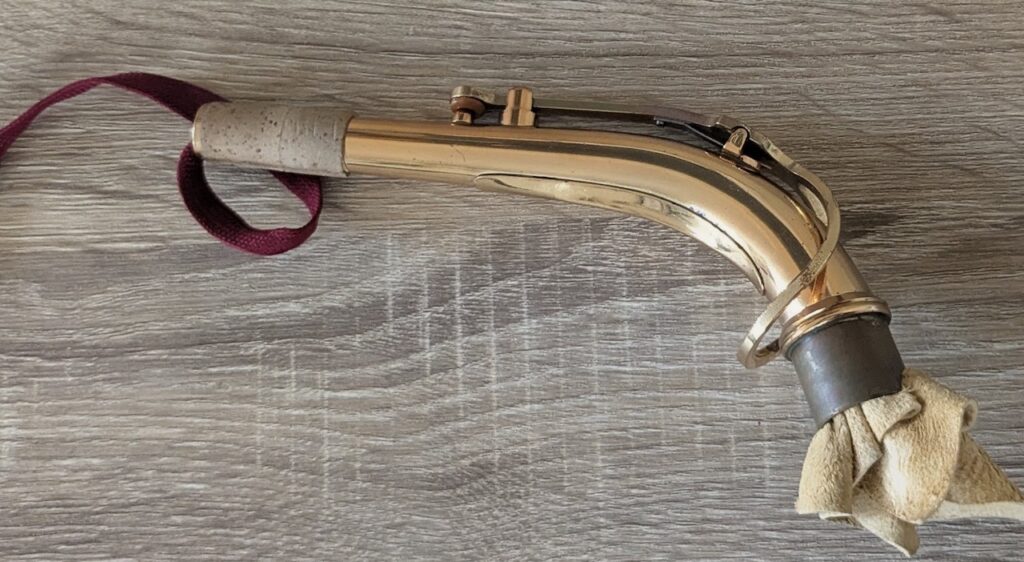
After each playing session with your saxophone, use a pull-through to remove any moisture left in the instrument and neck. It’s important you use the correct pull-through as getting a pull-through stuck in the instrument body or neck can result in an unwanted bill. We recommend the BG range which range in different sizes for your instrument and part.
To correctly use a pull-through:
Drop the pull-through feeder cord through the widest end. For an instrument body this will be the bell, and for a neck this will be from the tenon – you may have to turn the instrument to guide the feeder cord round the bow of the instrument body tube.
Now, slowly pull the swab through the instrument using the feeder cord, if the swab feels like it’s caught on something, slow down and guide it where you can. If it appears to be totally caught stop immediately and take it to your nearest repair specialist who can safely remove the pull-through. Otherwise, carry on pulling to remove the moisture. Then, repeat the process until all the moisture has been removed.
2. Cleaning paper
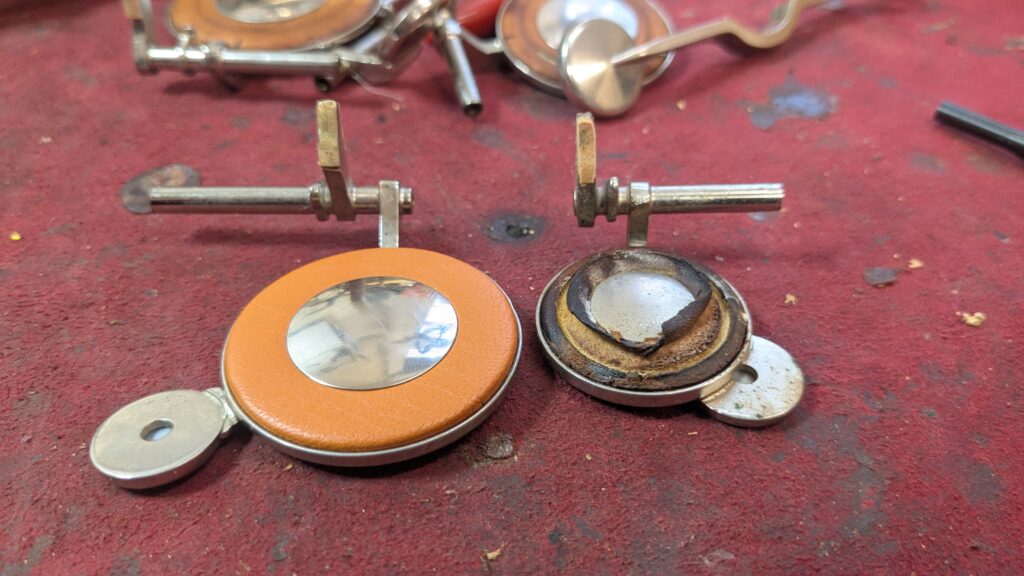
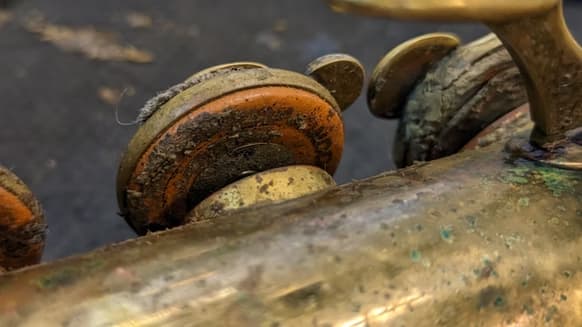
Pads, no matter how diligent you are, will wear and build up sediment blown down the instrument. However, there is something you can do to minimise the wear, ensuring your pads don’t stick. Wiping down the moisture left on the pads will reduce this build up and wear. We recommend using Yamaha Powder Paper to do this job.
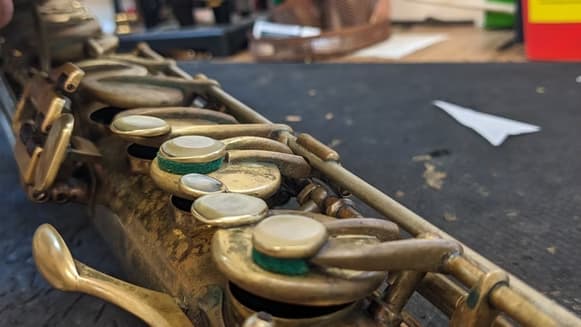
Simply take a piece of paper and place it powder side up between the pad and tone hole, gently pressing the key down once or twice to remove any moisture. Repeat this process across your instrument – this may require more than one paper to complete and voila, your instrument is moisture free.

3. Hand & mouth hygiene
The most overlooked method of keeping your instrument maintained as well as being the cheapest and easiest, is to brush your teeth and wash your hands before playing. That delicious lunch or dinner you’ve just eaten should stay in you and not blown down the instrument, otherwise this can affect pads causing them to stick. Any residue on your skin can wear away the saxophone’s keys and body.
4. Cleaning your instrument
Taking a simple polishing cloth to remove any moisture stains that may have occurred during playing is an easy way to keep your instrument keywork and body in good health. We’d recommend using a microfibre cloth for lacquered or unlacquered instruments or a silver polishing cloth for silver plated or solid silver instruments.
5. Servicing
Finally, taking your instrument to a specialist servicing technician who can assess your instrument every 9-12 months, (depending on how much you play the instrument) is key to keeping any unwanted bills at bay.
It may seem a lot to take your instrument in every year, but there are many moving parts and consumables on your instrument. So ensuring these are in the best condition possible will help maintain your instrument long term.
Conclusion
Following these 5 steps will keep your instrument well maintained and free of any nasty surprises, so you can be safe in the knowledge when you turn up to your next gig or rehearsal your saxophone will be ready to perform at its best.
Remember, if in doubt always contact a specialist woodwind repair and servicing specialist who can advise you on what’s best for your instrument.