Just like tyres on a car, pads on your woodwind instrument will wear out over time and will affect the sound of your instrument in a negative way. To stop this happening, this article will show you what to look out for and when to see a technician for a pad change.
What are woodwind pads?
Firstly, let’s establish what a pad is. As a technician, it’s common for clients to misinterpret what’s causing an issue with their instrument, for example calling regulation cork a pad and vice versa. So let’s have a look at what a pad is.
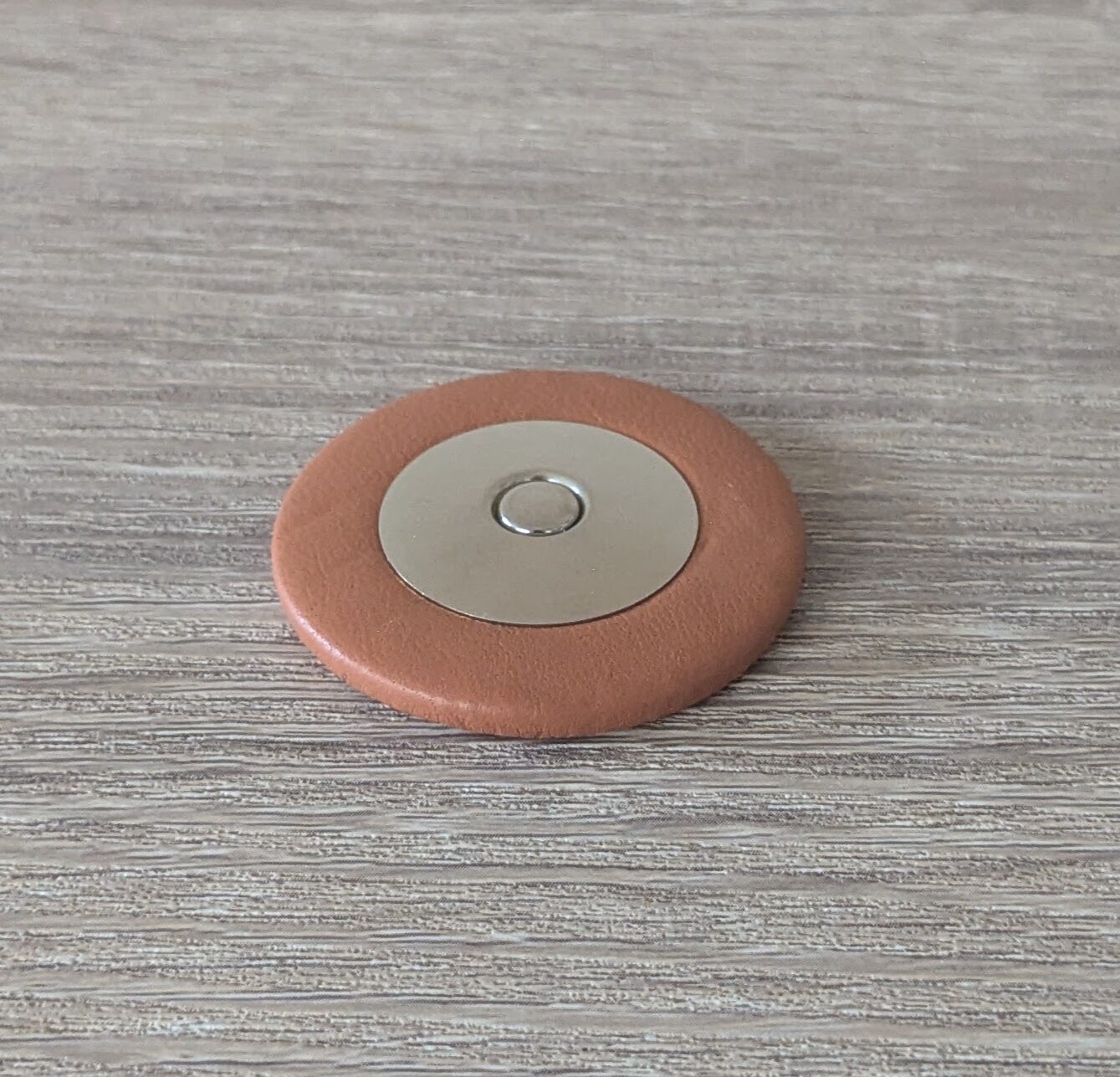
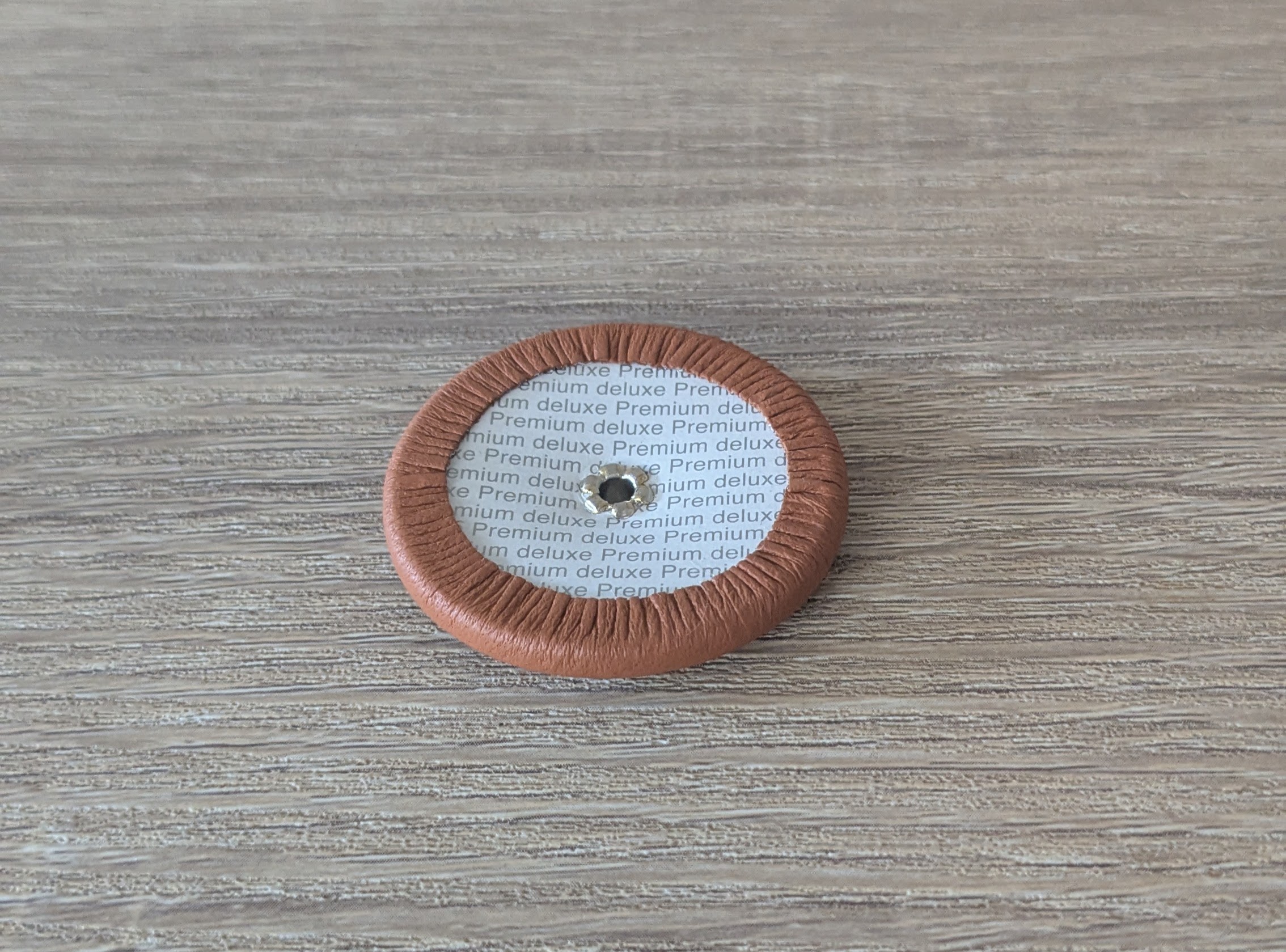
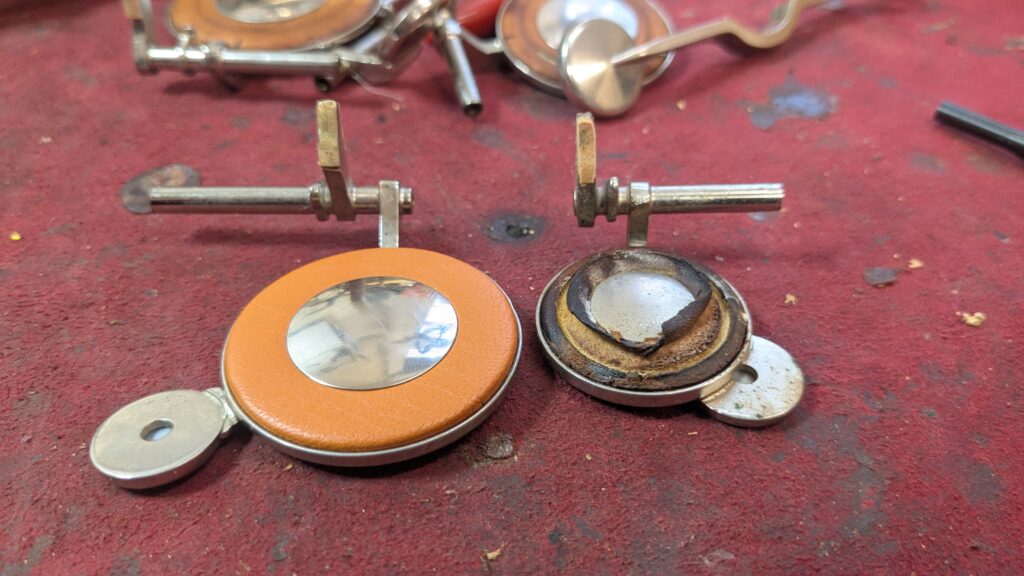
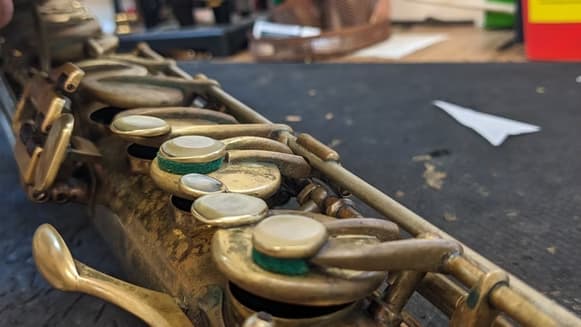
A pad is a consumable that sits in the key cup of your instrument and seals against the tone hole. The pad is commonly made up of a felt disc, a cardboard backing, covered with leather and sealed altogether with a rivet. Larger pads above 28mm tend to have a resonator to influence the tone and projection of the instrument. They’re commonly seen in a tan colour, however, different leather types may influence the colour of the pad. Other common colours seen are brown and black.
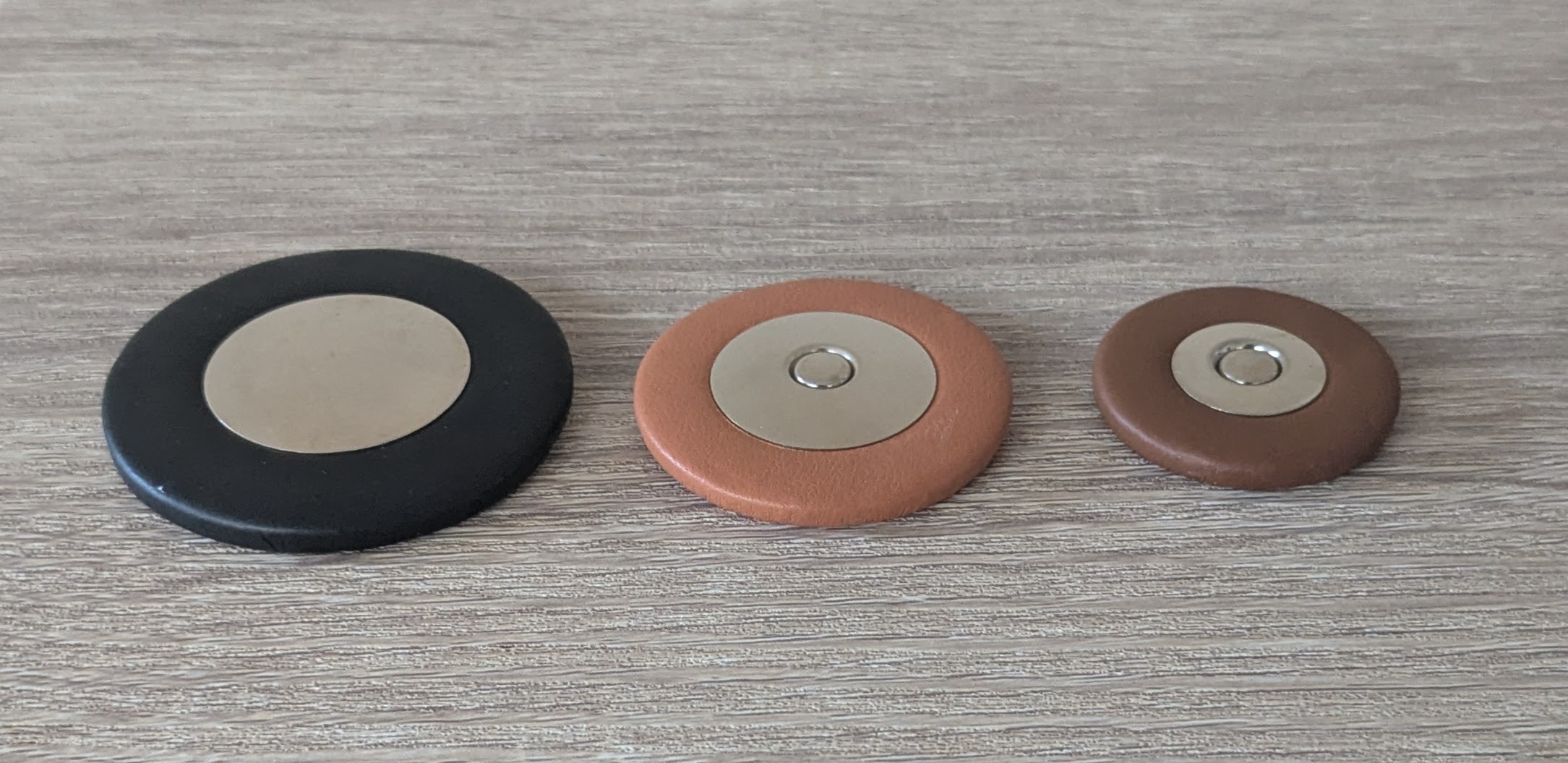
Oboes use cork pads which helps give the instrument that mellow sound that it is associated with.
The role a woodwind pad plays in your instrument
Now we know what we’re looking at, the pad has an important job on your instrument as it seals against the tone hole, changing the pitch. If the seal between the pad and tone hole isn’t correct, leaks can occur causing resistance, and intonation problems.
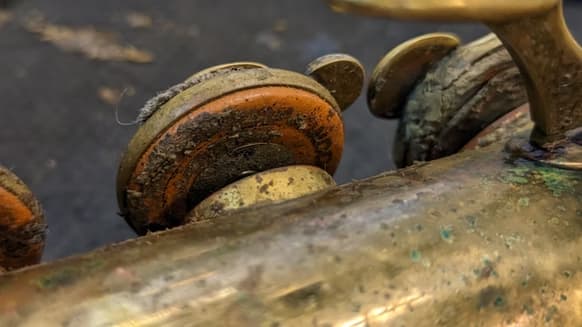
As we play, we blow moisture amongst other things down the instrument and over time this will cause wear on the pads, and create a build up of sediment. This wear and build up causes the pad to not seal 100%. To minimise how quickly this happens it’s important you’re keeping on top of your instrument maintenance – for our article on how to take care and maintain your instrument check out our 5 ways to maintain your saxophone here.
Signs of pad wear
What should you be looking and listening out for to know if your pad needs a change? Below are some common signs of a pad wearing:
- Sticky sound when pressing and releasing the key
- Noisy pads, caused by a pad hardening up
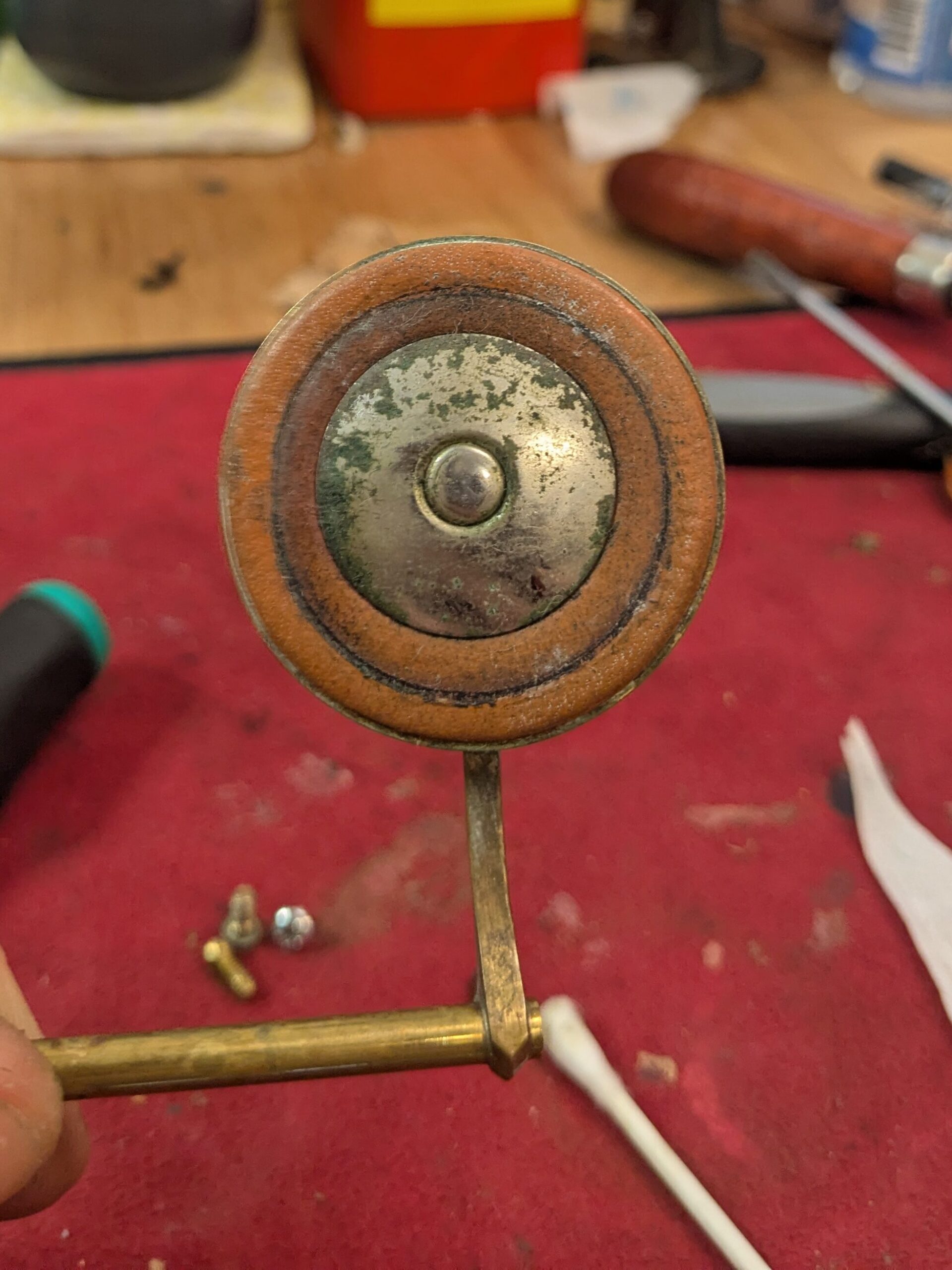
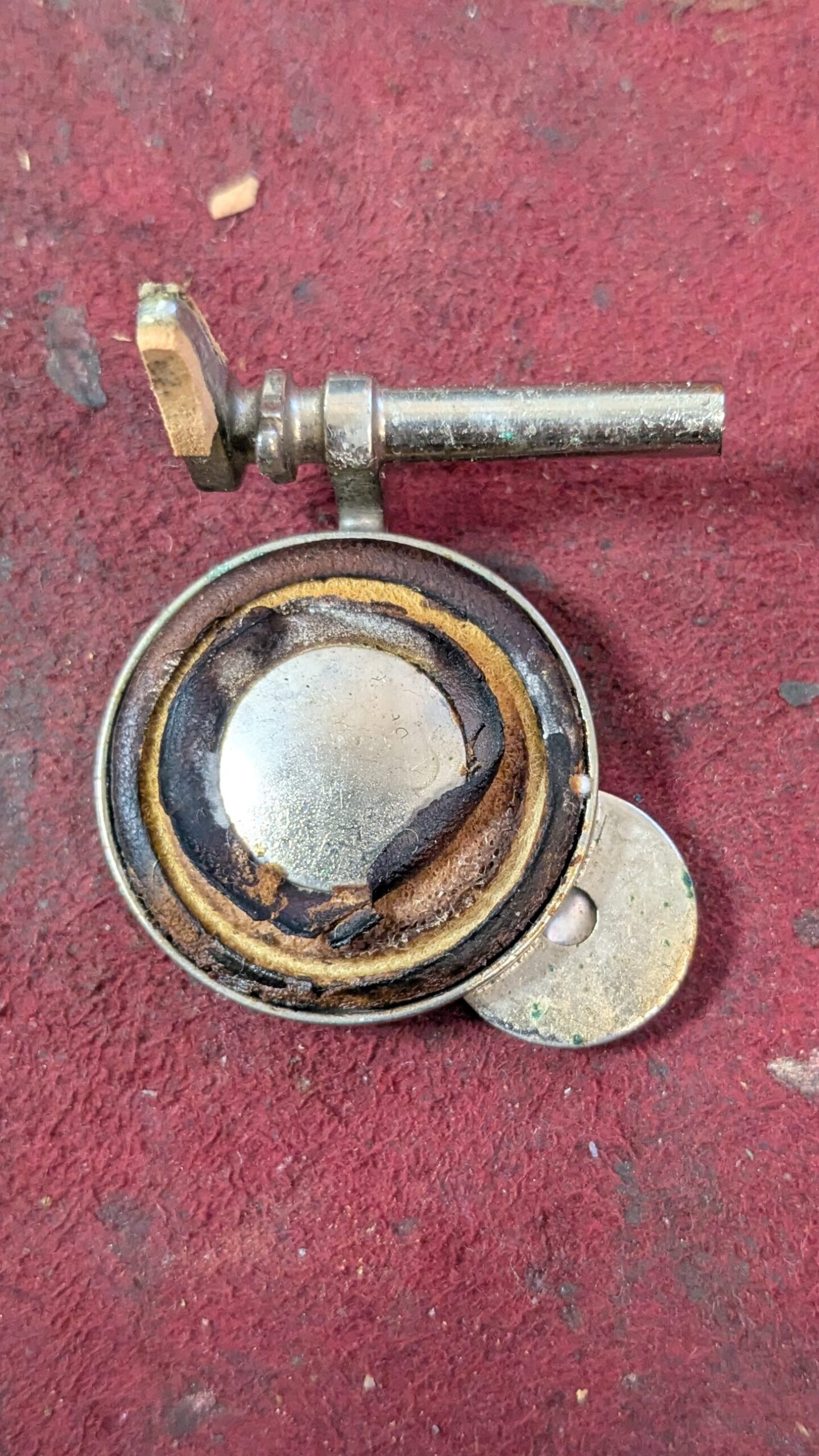
- Impression on the pad is discoloured
- Leather torn
If you see or hear any of these signs then it may be time for a new pad. It’s important to have a specialist repair and servicing technician do this for you, as often a pad change can have a counter effect elsewhere on your instrument, with adjustment needed to the regulation or key venting.
How to prevent pad wear
Ultimately the more you play your instrument the sooner the pads will wear and need changing, but you should expect a pad to last on average anywhere between 2-5 years dependent on how much you play and maintain your instrument. In some cases a pad may last one year but in others it may last up to 10, the circumstances with the player and usage will impact this variable.
Taking time to remove moisture from the instrument after playing is critical to pad health, leaving moisture in the instrument can cause the pad to soak up that remaining moisture and then harden up or stick. There are many ways we can remove this moisture after playing:
- Pull-through swabs
- Cleaning papers
- Pad savers
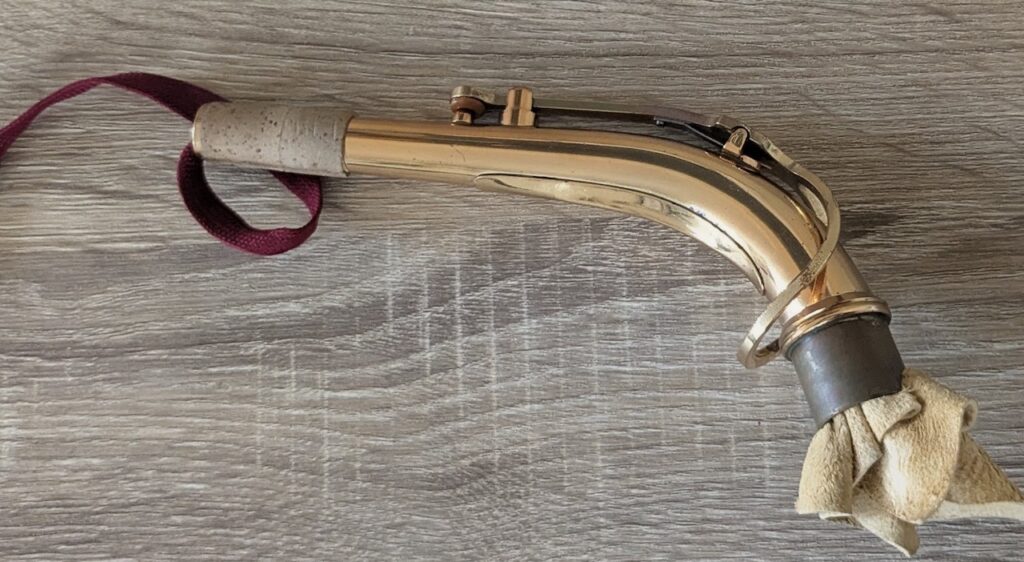
The last point is seen as a contentious issue, the pad saver does a great job of removing moisture from the instrument with its bristly brushes. However, its design causes players to leave the pad saver in the instrument where that moisture will sit inside and damage the pads. It’s often recommended by technicians to use pull-through swabs and cleaning papers to remove the moisture, but if you do use a pad saver, ensure you don’t store the device in the instrument or case.
Conclusion
Now the importance of pads has been explained, and what to look and listen for, you will be able to know when the health of your pads has started to deteriorate and mean a pad change is necessary. If you find yourself in this position, be sure to contact your local technician to change the pad.
Remember:
Pads are the consumable in the key cup of the instrument.
Pads can last anywhere between 2-5 years.
Maintaining your instrument will increase the life of your pad.
Look and listen for any tell tale signs of pad wear.