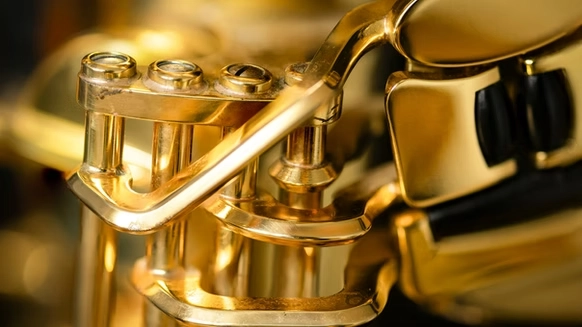
Woodwind instruments, such as clarinets, flutes, and saxophones, are not only beautiful to listen to but also require careful maintenance to ensure they remain in top condition. Proper care can significantly extend the life of your instrument, enhance its sound quality, and prevent costly repairs. In this blog post, we will explore essential woodwind maintenance tips that every musician should know.
Understanding Your Woodwind Instrument
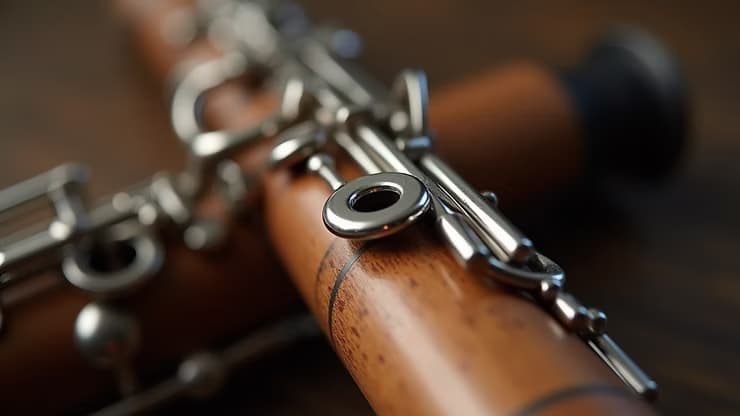
Before diving into maintenance tips, it’s important to understand the components of your woodwind instrument. Each type has unique features, but they generally consist of:
- Body: The main structure, often made of wood or metal.
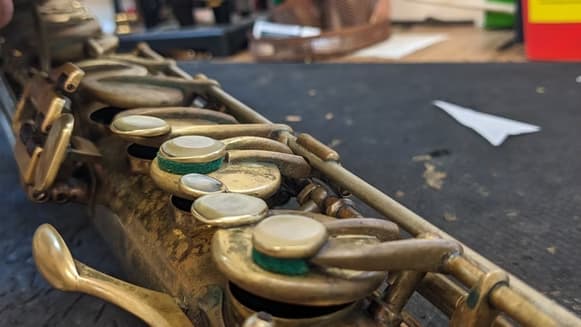
- Keys: Mechanisms that open and close tone holes to produce different notes.
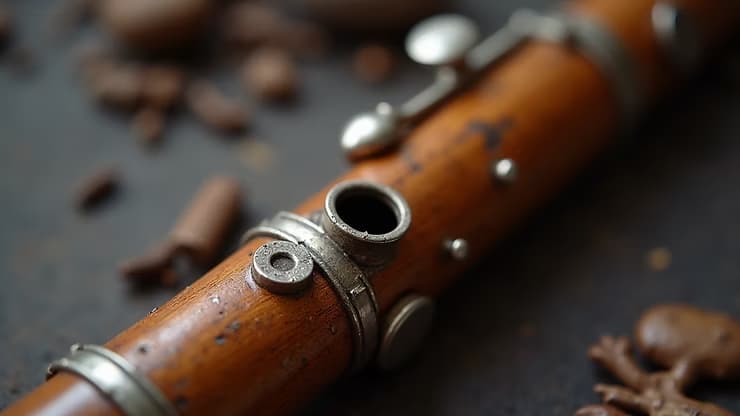
- Pads: Seals that cover tone holes when keys are pressed.
- Mouthpiece: The part you blow into, which can vary in design and material.
Knowing these parts will help you identify areas that need attention during maintenance.
Daily Maintenance Practices
Swabbing Out
After each playing session, it’s crucial to swab out your instrument. Moisture can accumulate inside, leading to mold and mildew growth. Use a soft, lint-free cloth or a specialized swab designed for your instrument.
- Clarinet and Saxophone: Insert the swab through the body and pull it out gently.
- Flute: Use a cleaning rod with a cloth to wipe the inside of the body.
Inspecting Pads and Keys
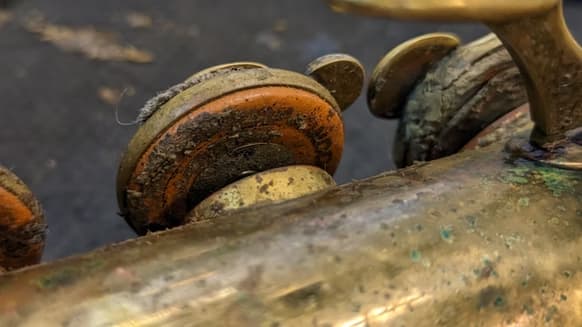
Regularly check the pads and keys for any signs of wear or damage. Look for:
- Discoloration: This can indicate moisture damage.
- Cracks or tears: Damaged pads will need replacement.
- Sticky keys: If keys are not functioning smoothly, they may need adjustment or cleaning.
Wiping Down the Exterior
After playing, wipe down the exterior of your instrument with a soft cloth. This removes fingerprints, oils, and moisture that can damage the finish over time.
Weekly Maintenance Tips
Cleaning the Mouthpiece
The mouthpiece is a breeding ground for bacteria and should be cleaned weekly. Use warm, soapy water and a small brush to scrub the inside. Rinse thoroughly and let it dry completely before reattaching it to your instrument.
Checking Corks and Felts
Corks and felts are essential for ensuring a proper seal when keys are pressed. Inspect them for wear and replace them if they are compressed or damaged. This will help maintain the instrument’s intonation and overall playability.
Monthly Maintenance Practices
Deep Cleaning
Once a month, perform a more thorough cleaning of your instrument. This includes:
- Disassembling: Carefully take apart your instrument according to the manufacturer’s instructions.
- Cleaning: Use a soft brush and cleaning solution designed for woodwinds to clean the body and keys.
- Drying: Ensure all parts are completely dry before reassembling.
Professional Inspection
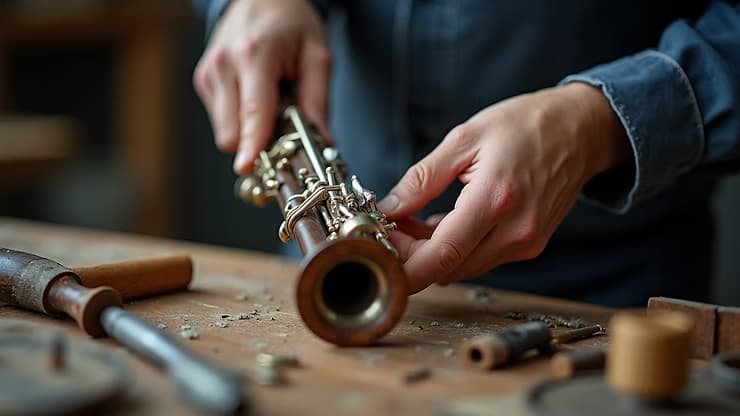
Consider taking your instrument to a professional technician for a thorough inspection and maintenance. They can identify issues that may not be visible to the untrained eye and perform necessary repairs.
Seasonal Maintenance
Humidity Control
Woodwind instruments are sensitive to humidity changes. During dry seasons, consider using a humidifier to maintain an optimal environment. Conversely, in humid conditions, ensure your instrument is dried properly after playing.
Seasonal Adjustments
As seasons change, so do the materials of your instrument. Wood can expand or contract, affecting playability. Regularly check for any adjustments needed, especially after long periods of non-use.
Long-Term Care Tips
Proper Storage
When not in use, store your instrument in a protective case. Avoid leaving it in extreme temperatures or direct sunlight, as this can warp the materials.
Regular Play
Instruments that are played regularly tend to stay in better condition. If you’re not playing frequently, consider taking it out for short sessions to keep the pads and keys functioning properly.
Avoiding DIY Repairs
While minor maintenance can be done at home, avoid attempting major repairs yourself. This can lead to further damage. Always consult a professional for significant issues.
Conclusion
Maintaining your woodwind instrument is essential for its longevity and performance. By following these essential maintenance tips, you can ensure that your instrument remains in excellent condition for years to come. Remember, a well-cared-for instrument not only sounds better but also enhances your playing experience. Take the time to invest in your instrument, and it will reward you with beautiful music.
Now that you have the tools to maintain your woodwind instrument, start implementing these practices today. Your instrument will thank you!